

Busting the top gambling myths What you need to know
Understanding Gambling Odds
One prevalent myth in gambling is that games are designed to be winnable, creating a false sense of security for players. In reality, every game has a built-in house edge that ensures the casino profits over time. For example, in games like roulette or blackjack, the odds are carefully calculated to favor the house, making it statistically less likely for a player to win in the long run. It’s essential for gamblers to recognize that while winning is possible, the probability of losing is far greater. When players explore options like crypto casinos no kyc, they’re often searching for a more seamless betting experience.
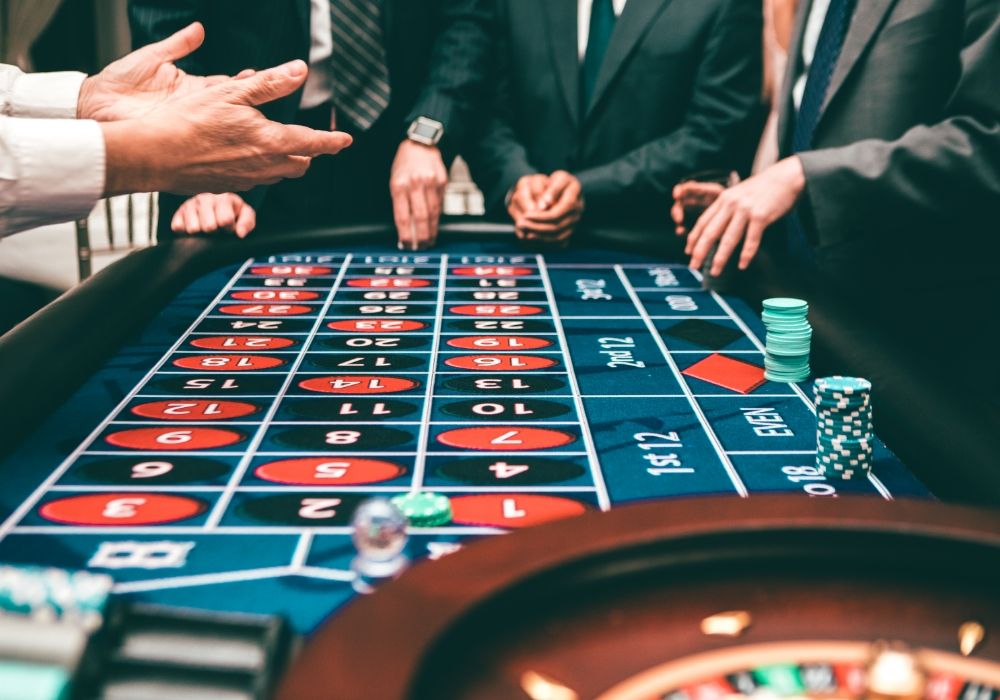
Furthermore, many players believe that they can influence the outcome of random games, such as slot machines, by timing their bets or using particular strategies. This notion is misleading, as modern slot machines use Random Number Generators (RNGs) that ensure every spin is independent of the last. Understanding this concept can help players make informed decisions and manage their expectations when engaging in these games.
In addition, people often underestimate the importance of understanding the odds when engaging in gambling activities. Familiarizing oneself with the rules and the mathematics behind each game can lead to smarter betting strategies. This knowledge helps dispel myths about beating the odds and encourages responsible gambling practices, ultimately leading to a more enjoyable gaming experience.
The Role of Luck vs. Skill
Another common myth is the belief that gambling success primarily relies on luck. While luck does play a significant role in games of chance, such as slots or lottery, skill is crucial in many popular games, including poker and blackjack. Players who invest time in honing their skills and learning game strategies can significantly improve their chances of winning. In poker, for instance, understanding the psychology of opponents and mastering betting techniques can often yield better results than relying on sheer luck.
Conversely, many believe that their bad luck can be turned around by merely playing longer or betting larger amounts. This misconception can lead to poor financial decisions and compulsive gambling behaviors. Recognizing that skill, strategy, and bankroll management are just as important as luck can empower players to take a more balanced approach to gambling.
Additionally, players should be aware that many games touted as “skill-based” can still have elements of chance involved. For example, even the most skilled poker players must contend with the unpredictability of card distribution. Thus, while skill can influence outcomes, it is crucial to acknowledge the role of luck in the broader context of gambling.
Gambling as a Source of Income
A widespread myth is that one can consistently earn a living through gambling. While some individuals can achieve significant wins, this is not the norm for the majority. Gambling should be viewed as a form of entertainment rather than a reliable income source. The notion that one can consistently outsmart the house or other players can lead to severe financial repercussions and gambling addiction.
Moreover, professionals who gamble for a living often possess exceptional skills, rigorous discipline, and deep knowledge of their games. They dedicate countless hours to research, practice, and strategy development, and still face the risk of losing. The idea that anyone can achieve this level of success without the same commitment is misleading and detrimental to those unfamiliar with the realities of gambling.
It’s essential for players to set realistic expectations and understand that losing is part of the game. Developing a budget for gambling activities and sticking to it can mitigate financial risk and foster a healthier relationship with gambling. By viewing it as a recreational activity rather than a source of income, players can enjoy their experience without the burden of unrealistic expectations.
The Impact of Casino Bonuses and Promotions
Many gamblers operate under the misconception that casino bonuses are free money, leading to overspending or unrealistic expectations about winning. While bonuses can enhance a player’s gaming experience, they often come with specific terms and conditions that can be challenging to understand. For instance, wagering requirements can make it difficult to withdraw winnings, creating frustration for players who were initially excited about the promotion.
Additionally, the belief that bonuses guarantee a better chance of winning is misleading. While they can extend gameplay, they do not alter the inherent odds of the games. Players should approach these promotions with a clear understanding of their implications and be cautious about making impulsive decisions based on the allure of free money.
Educating oneself about the fine print of bonuses and promotions is crucial for responsible gambling. Understanding the terms associated with these offers can help players make informed decisions that align with their gaming goals. This awareness can enhance the overall experience and lead to more positive outcomes in the long run.
Finding Reliable Information About Gambling
In a landscape filled with misinformation, it can be challenging to find credible sources about gambling. Many players rely on anecdotal evidence or personal stories, which can perpetuate myths and lead to poor decision-making. It’s vital to seek reliable information from reputable sources, including educational websites, professional gamblers, and gaming forums that prioritize factual content over sensationalized stories.
Moreover, understanding the psychological aspects of gambling can help players become more informed. Many myths are rooted in cognitive biases, such as the gambler’s fallacy, which can distort perceptions of chance and risk. Recognizing these biases can empower players to make more rational choices and avoid common pitfalls that may lead to financial losses.
By exploring comprehensive guides and expert analyses, players can gain a well-rounded understanding of gambling dynamics. This knowledge helps to debunk myths and fosters a more responsible approach to gambling activities. Education is key to navigating the complex world of gambling and enhancing one’s experience while minimizing risks.